Land of the eternal blue sky
A country the size of Western Europe with fewer than 3.5 million people — the last great expanse of open land, and the living heart of nomadic culture.
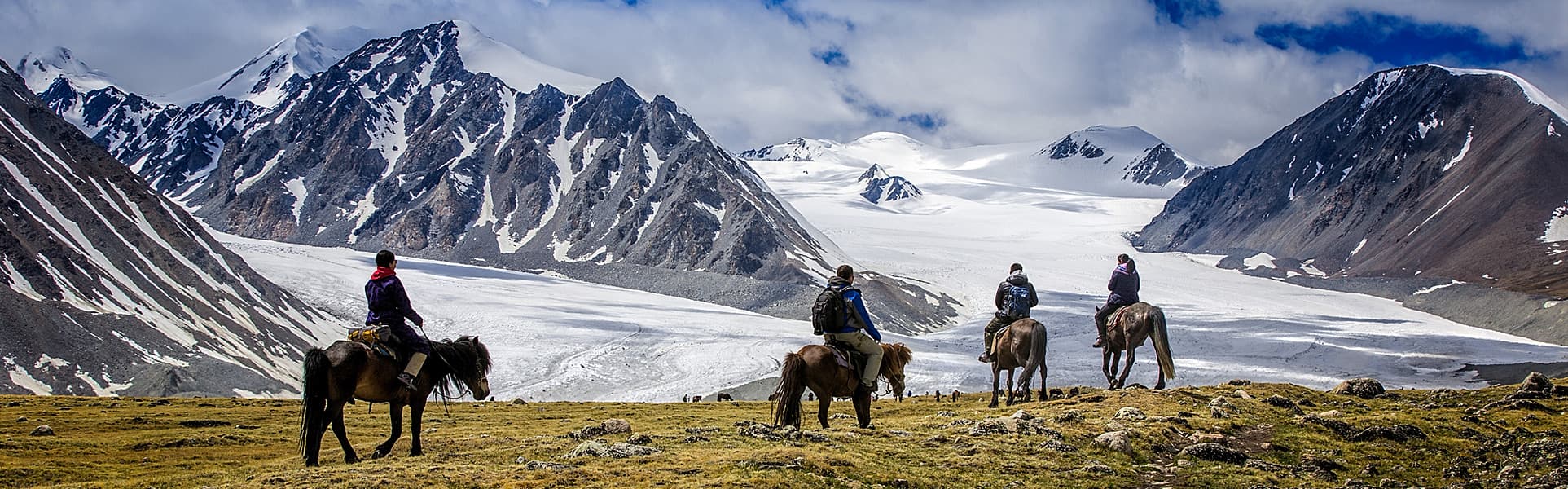
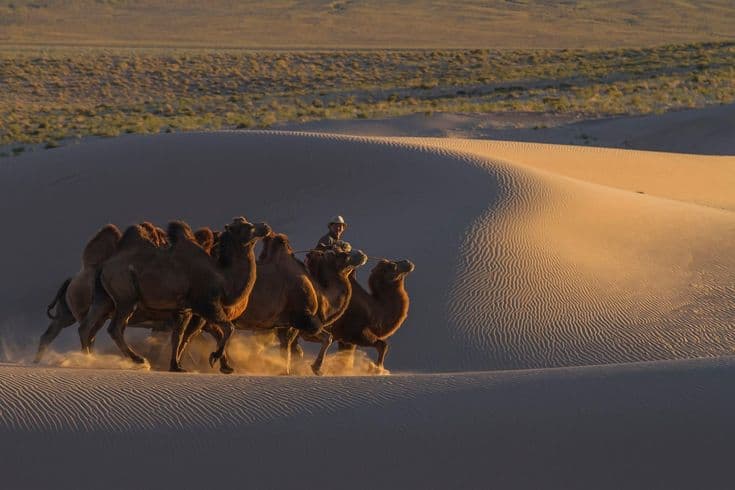
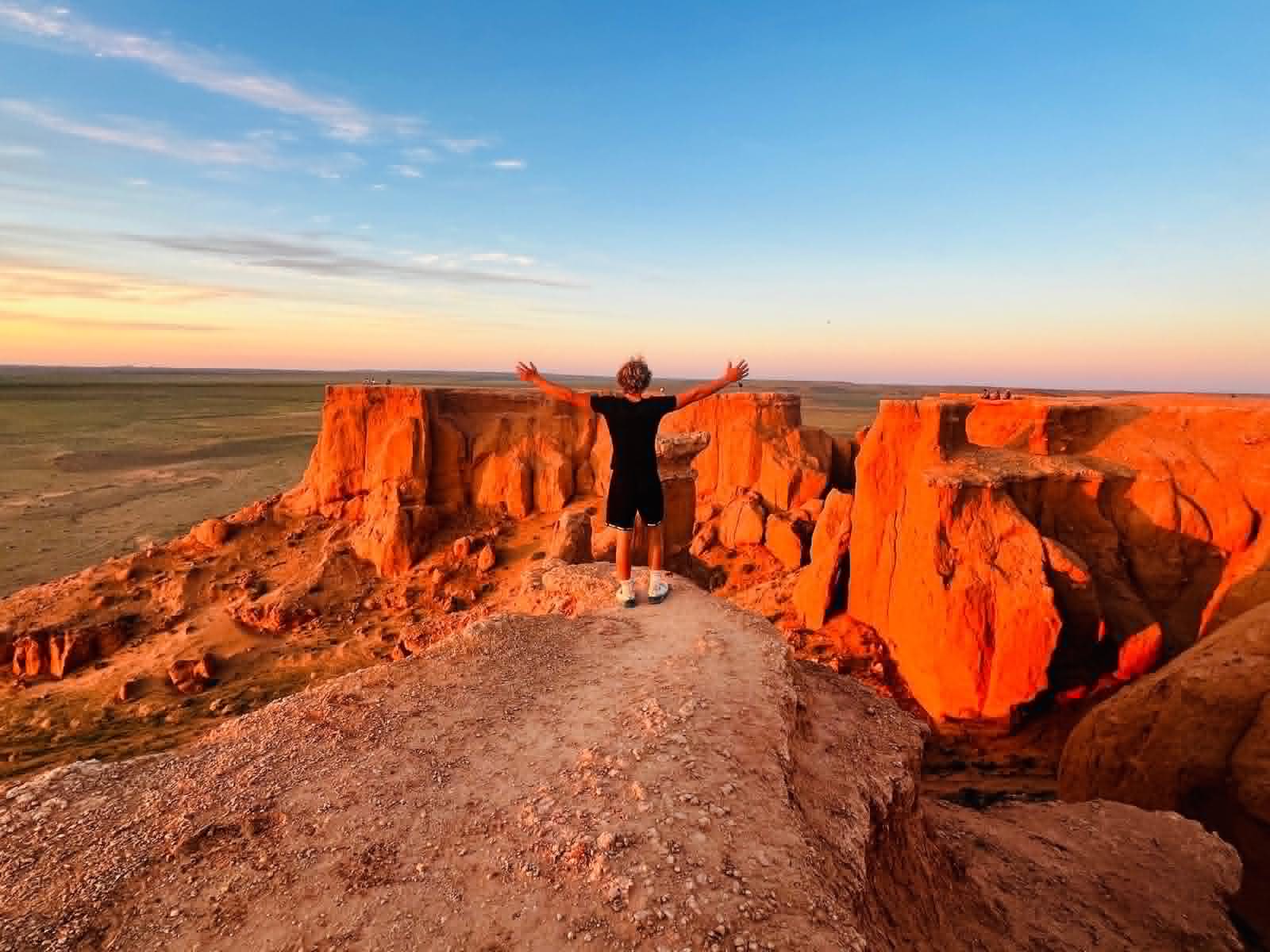
From the Gobi Desert in the south to the taiga forests and glaciers of the north, Mongolia spans an astonishing range of landscapes. Vast grasslands roll toward the Altai mountains in the west, while the central steppe — the archetypal Mongolian horizon — stretches unbroken for hundreds of kilometres. It remains one of the most sparsely populated sovereign nations on earth.
Mongolia is the world's most continental climate — long, fiercely cold winters give way to short, intense summers, with barely a spring or autumn between. Summer (June–August) brings warm days, green steppe and the Naadam festival; September paints the north gold before the first snow. Winter is spectacular but severe, dropping well below −20°C, while July highs can reach 30°C. Most travel is timed for the May–September window.
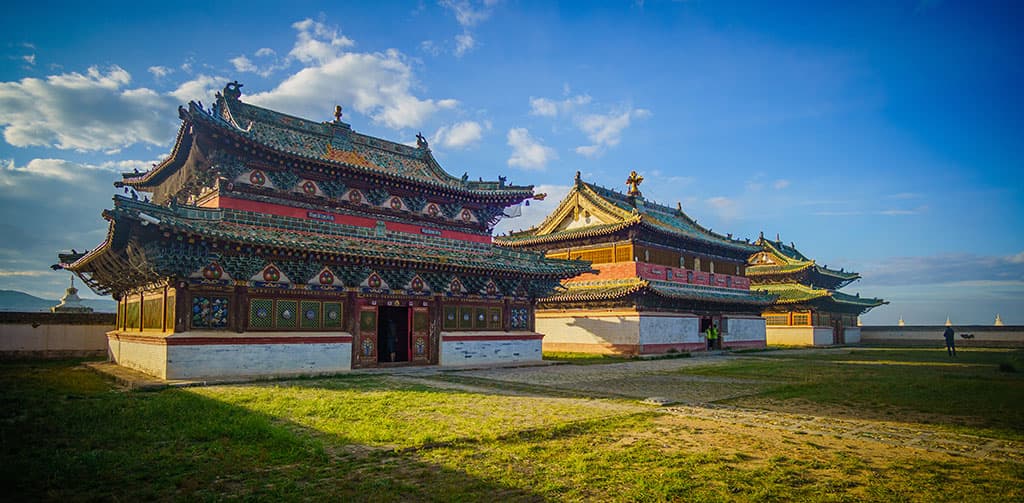
In 1206 Chinggis Khaan united the warring steppe tribes and forged the Mongol Empire, which at its height stretched from Korea to Hungary — the largest contiguous land empire in history. Karakorum, its capital near present-day Kharkhorin, was once the crossroads of the world. Centuries of Manchu rule and socialist alignment with the Soviet Union followed, before Mongolia's peaceful 1990 democratic revolution opened the country to the world it welcomes travellers into today.
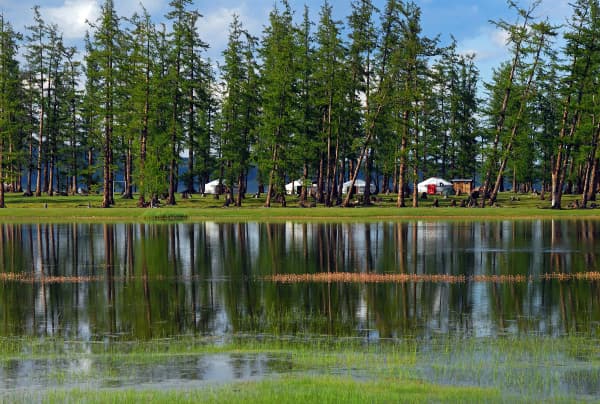
Roughly a quarter of Mongolians still live as herders, moving with the seasons between pastures. Hospitality is sacred: a traveller is always welcomed into the ger with hot salted milk tea. This rhythm of movement, family and the land shapes everything — and it is what our journeys are built to share, at the pace of the people who live it.
“The steppe teaches patience — the horizon is never in a hurry.”
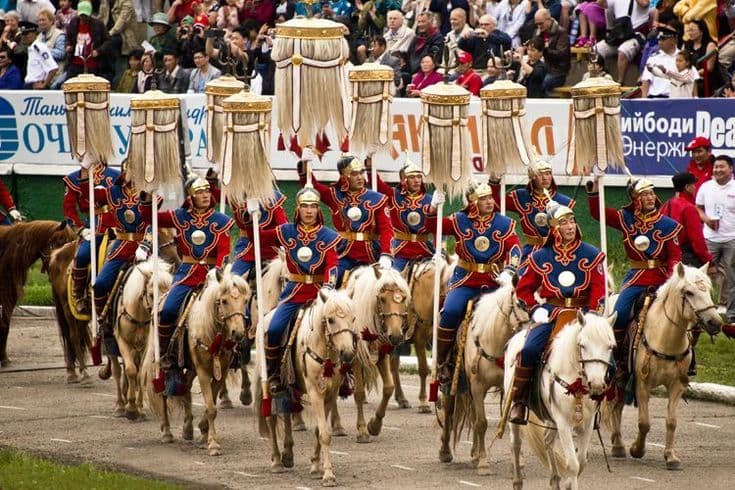
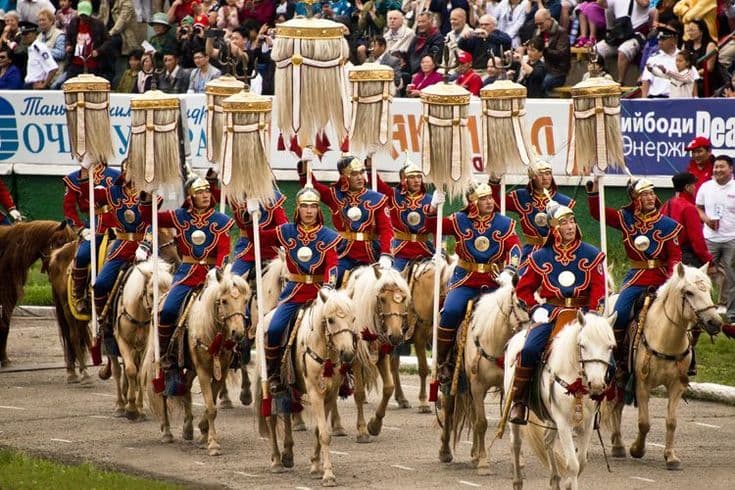
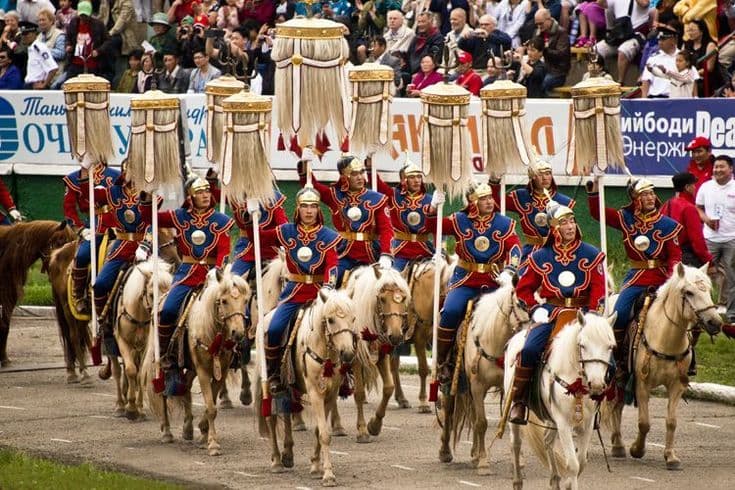
Held every July, Naadam is Mongolia's great national celebration — the “three manly games” of wrestling, archery and horse racing, staged across the country and centred on Ulaanbaatar. It is the single best week to witness the culture at full colour, and our festival departures put you in the thick of it.
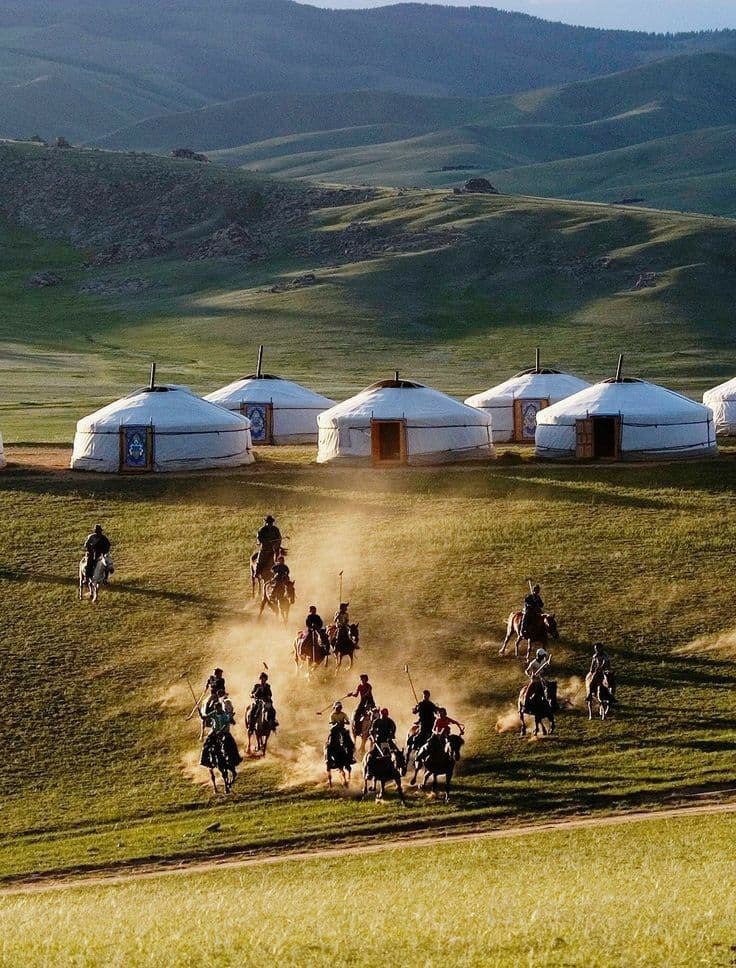
The ger — known outside Mongolia as a yurt — is a felt-and-canvas dwelling engineered for a life on the move: it can be raised or struck in under an hour, insulates against −30°C winters, and stays cool in summer. Everything inside has its place, from the stove at the centre to the honoured seat opposite the door reserved for guests. Staying in a family ger, rather than passing through as a spectator, is the heart of most of our itineraries.
Mongolia's empty landscapes are a refuge for species that have vanished elsewhere. The Gobi shelters snow leopards, wild Bactrian camels and the reintroduced Przewalski's horse — the last truly wild horse on earth. Golden eagles are trained by Kazakh hunters in the west, while reindeer herders of the northern taiga live alongside their domesticated herds. Lake Khuvsgul and the surrounding forests hold ibex, argali sheep and elusive wolves.